
Te Mana o Tauhara tamariki planting day: A legacy taking root
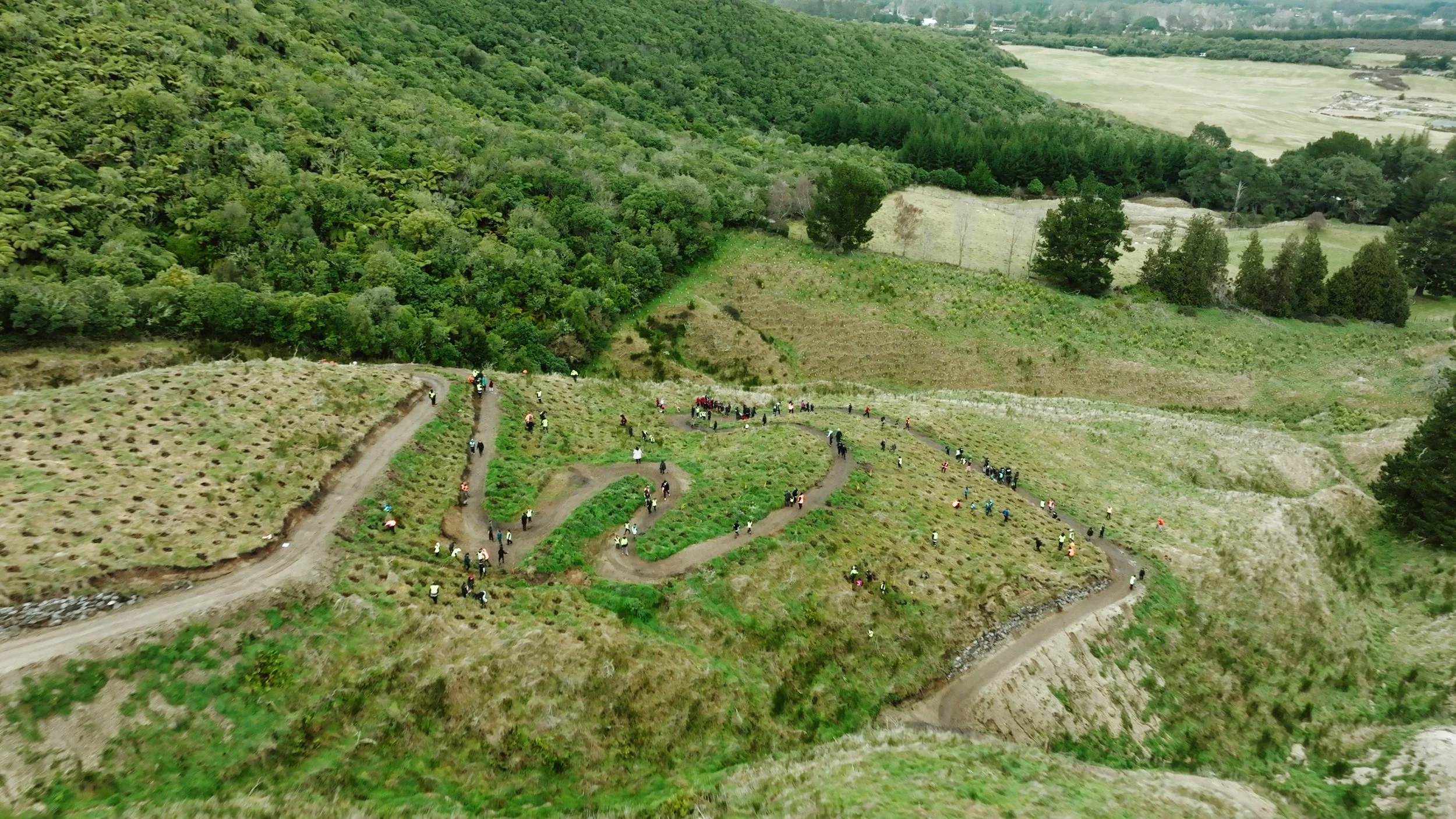
If you've walked up Tauhara, you already know the reward at the top. What's easier to miss is everything happening quietly underneath it; the planning, the planting, the fundraising and the hundreds of small jobs that keep a long-term restoration project moving.
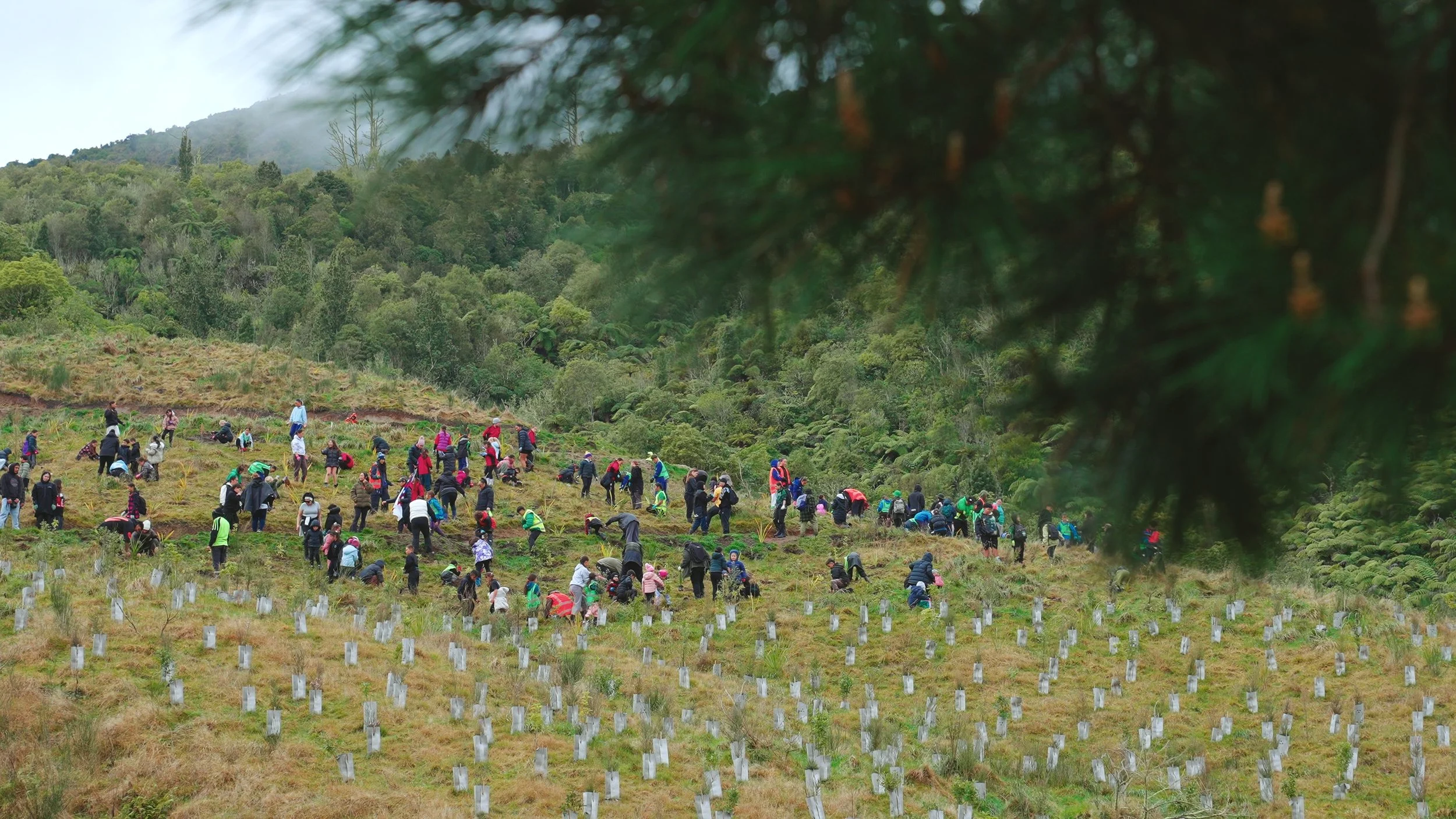
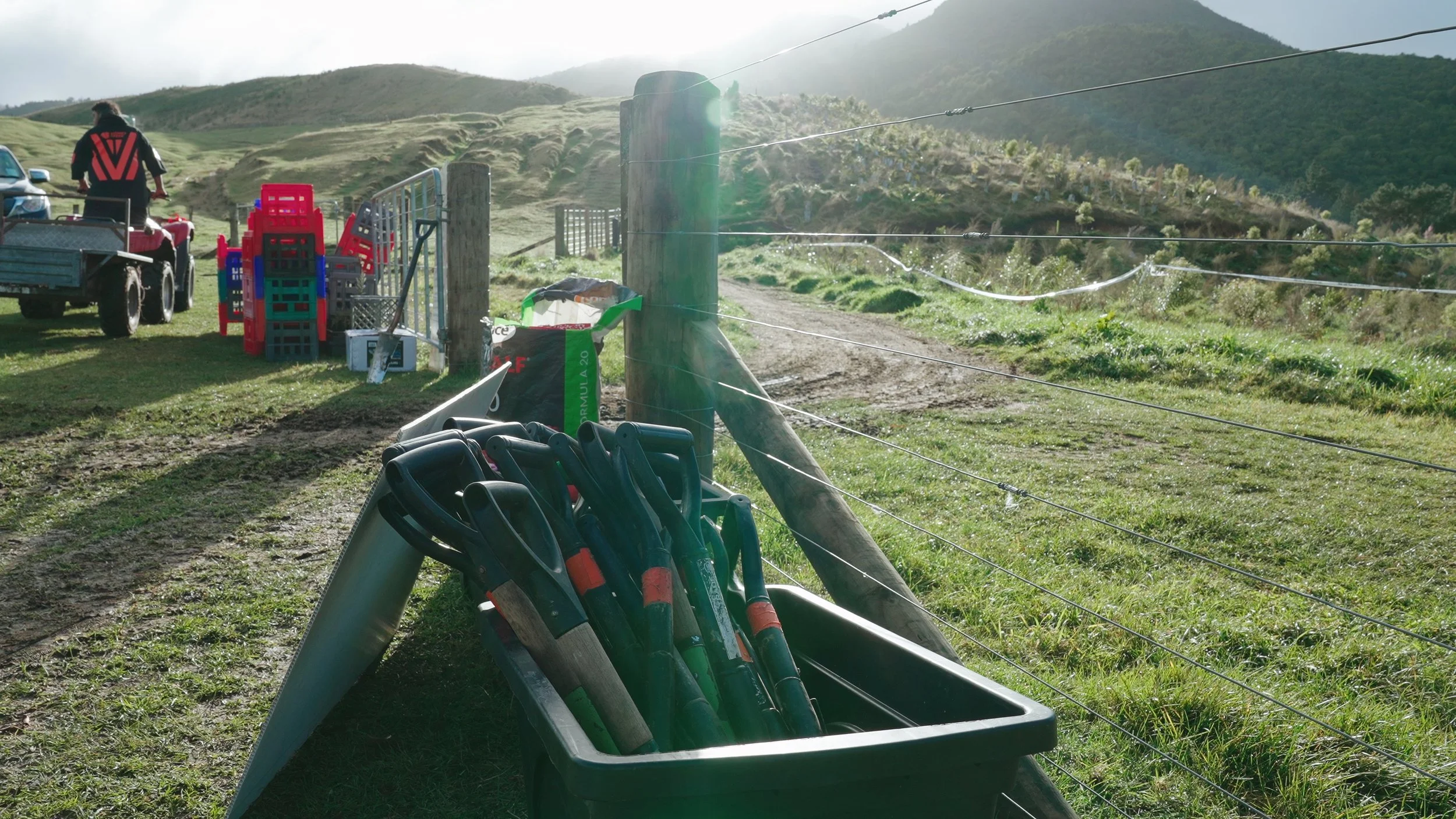
We spent a morning on the maunga at the Te Mana o Tauhara tamariki planting day, and it was a good reminder of what this kind of work actually looks like up close: kids in gumboots, spades in the ground, and a project that's thinking in decades rather than seasons. Here's what happened on the day, why Te Mana o Tauhara has been such a special project for us, and the simplest ways you can back it starting with the next time you walk up.
A morning on the maunga with tamariki
There's something about watching tamariki plant natives that puts the timeline of a project like this into perspective. These are trees they'll walk past as adults. Some of them will bring their own kids back to the same slope. The planting day was exactly the sort of thing that makes a restoration project real for a community with hands in the dirt, plants in the whenua, and a very clear sense that the maunga belongs to everyone who looks after it. It's also the unglamorous part. Planting days are hard work, they rely on volunteers, and they happen long before anyone sees the result. That's the bit worth celebrating.
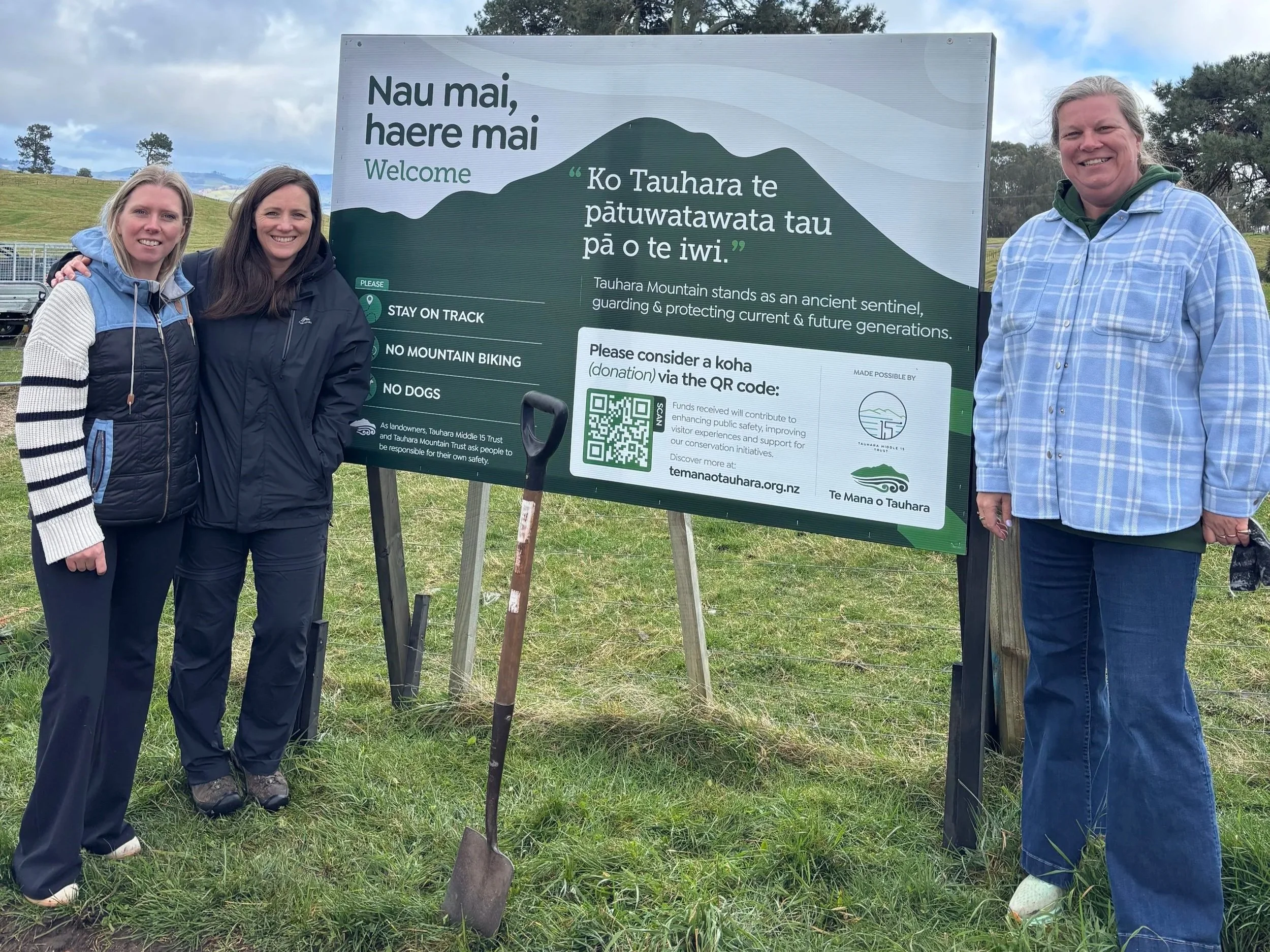
The entry sign: a small piece of a much bigger story
The new entry sign was revealed on the day, and we'll admit to a bit of quiet pride about that one. Korio worked alongside the Te Mana o Tauhara team on the sign, and it's a good example of how we like to work — a practical piece of design that has to do a real job. Welcome people. Orient them. Tell them whose project this is and what it's for. All in the few seconds someone spends at a gate before they start walking. Signs like this aren't decoration. They're the first conversation a visitor has with a project, and they set the tone for everything that follows.
Why is Te Mana o Tauhara is a special project for us?
Te Mana o Tauhara has been a long-term Korio client, and we built the project's website, but it's honestly become more than a client relationship. Our values are collaboration, integrity, curiosity, resourcefulness and community. Te Mana o Tauhara is one of those projects where the ethos lines up almost exactly:
Collaboration: nothing about this project has been done alone. It's trustees, volunteers, funders, schools, whānau and locals, all pulling in the same direction.
Community: it's a project for everyone who uses the maunga, not a fenced-off asset.
The long view: restoration work doesn't deliver a quick win. It delivers a legacy. Working with organisations like this is the reason we do what we do. Good digital work shouldn't be reserved for big budgets, not-for-profits and community trusts deserve a website and a brand presence that does their mahi justice, and none of this needs to cost the earth.
Three simple ways to support Te Mana o Tauhara
You don't need to be at a planting day to be useful. If the maunga means something to you, here are three easy places to start.
1. Make a koha: If you've enjoyed the walk up Tauhara, and let's be honest, most of us have, consider giving something back. Every koha goes into the long-term restoration of the maunga: plants, pest control, tracks, and the ongoing care that keeps it all alive. You can make a koha here: www.temanaotauhara.org.nz/koha
2. Tell someone about it: Plenty of people walk Tauhara without knowing there's a restoration project behind it. A conversation at the trailhead, a share on social, a mention at your next team meeting because awareness is genuinely useful to a project like this.
3. Watch for collaboration opportunities: There will be more chances to get involved. Planting days, volunteer mahi, and opportunities for local businesses to contribute skills as well as dollars. Keep an ear out, and we'll share what we hear too.
What we take from days like this
We talk a lot about knowing not just what to post, but why you're posting it. Days like this are a good reminder that the same rule applies to the work itself. The website, the sign, the photos, the updates; none of them are the point. The point is the maunga, the tamariki, and the hundred-year view. Our job is to make that story easy to find, easy to understand, and easy to support. That's the kind of work we'd happily do more of.
Thinking about your own community project? If you're a not-for-profit, charitable trust or community organisation wondering how to get your story online without blowing the budget, we'd love to have a chat…that's our thing.
Make a koha to Te Mana o Tauhara →